









Why Listening Must Be Strategic
Traditional social media monitoring captures mentions, likes, and comments tied specifically to a brand’s channels. This is useful for reactive management, but it doesn’t reveal context, sentiment drivers, or the wider narrative ecosystem. A social listening strategy, in contrast, embraces end-to-end listening across platforms, public forums, review sites, and conversational networks to identify emerging trends, unfiltered sentiment shifts, and latent consumer needs.
This distinction is critical for brands that seek to move beyond echo chambers and into meaningful cultural dialogue. Social listening aggregates unstructured data into patterns that can be operationalized, not just counted. It shifts social data from being a scorecard to being a strategic compass.

Decomposing Social Conversations at Scale
The value of social listening lies in its ability to surface signals from vast digital noise. In practice, this requires:
1. Multi-Source Data Capture
Listening systems must ingest information from a broader universe than owned channels alone. It includes forums, blogs, user groups, and niche platforms, which helps to uncover sentiment that isn’t always visible on mainstream networks.
2. Semantic and Sentiment Analysis
Raw mentions mean little without interpretation. Applying natural language processing and machine learning, social listening tools distinguish sentiment, intent, context, and emotional signals, enabling brands to differentiate between praise, criticism, irony, or emerging discourse.
3. Trend Recognition and Temporal Mapping
Because cultural contexts evolve rapidly, a sound social listening strategy ties sentiment and trends to time, audience segments, and behavioral inflection points. This analysis reveals not just what is being discussed, but why conversation intensity shifts before, during, and after major events.
Taken together, these capabilities transform brand intelligence from reactive snapshots into dynamic behavioral maps.
Real-World Impact: Turning Listening Into Trust
Strategic listening produces insight that fundamentally alters how brands engage, innovate, and align with audiences, and this translates into measurable outcomes:
Community-Level Adaptation
Brands with mature listening strategies spot dissatisfaction signals early, adjust messaging frameworks, orchestrate proactive engagement, and avoid escalation of reputational risks. This ability to align responses with audience emotional context is itself a trust signal.
Product and Service Refinement
Social listening also functions as a behavioral research engine. When integrated with product teams, sentiment trends inform feature prioritization, service enhancements, and user experience improvements; effectively turning voice-of-customer data into iterative innovation.
Content Resonance Engineering
Listening validates content hypotheses with hard behavioral evidence. Instead of guessing what resonates, brands use social insight to craft narratives that reflect real audience language, preferences, and pain points, increasing both relevance and credibility.
These outcomes reinforce trust by demonstrating that brands not only hear audiences, but respond meaningfully.

Social Listening Strategy in Numbers
The importance of social listening has increased significantly in the last year. Recent research in the industry has revealed that 62% of marketers now consider social media listening a primary source of information, rather than a secondary one, which is a significant shift in its usage. At the same time, 79% of marketing leaders have identified data and analytics skills, including social listening, as essential for success in 2025.
The business impact is also very real. Those organizations that are able to leverage social listening effectively are able to grow their revenue 10% faster than the competition, while real-time social listening solutions have been proven to reduce reputational risk by up to 70%.
Strategic Layering: Tools, Data, and Interpretation
Operationalizing social listening at scale needs well structured frameworks along with tools.
Signal Aggregation
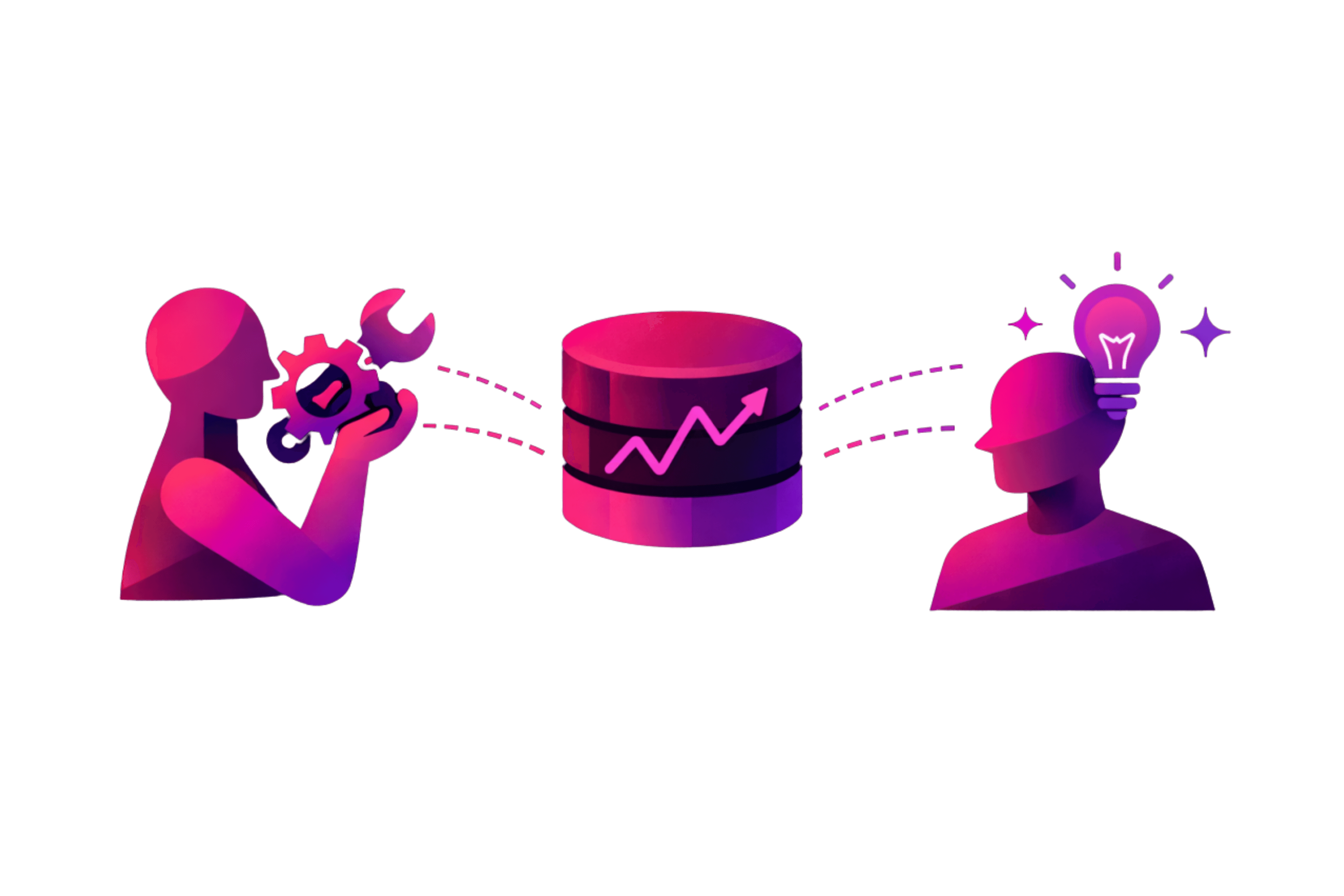
Advanced tools collect unstructured data across digital touchpoints, normalizing mentions into analyzable datasets. A mature strategy integrates these tools with internal data sources, such as CRM or customer support logs, to create holistic audience views that combine public sentiment with behavioral history.
AI-Enhanced Contextualization
Machine learning models elevate basic frequency counts to qualitative insight. Sentiment classifiers, topic models, and entity recognition systems help brands not only detect conversation themes, but also quantify emotional weight and trajectory shifts over time.
Actionable Dashboards
The final output of a social listening strategy is not data, it’s decision intelligence. Dashboards that translate trends into strategic guidance, recommended action priorities, and real-time alerts enable leadership to make decisions grounded in audience context.
This technical orchestration bridges social data with organizational strategy.
Integrating Listening Into Decision Making
A social listening strategy delivers value only when insights feed into core organizational processes. Trusted brands embed listening outcomes into:
 Narrative Frameworks: aligning messaging to audience context instead of broadcast schedules.
- Product Roadmaps: prioritizing features based on spontaneous user conversation patterns.
- Campaign Calibration: adjusting real-time creative deployment based on sentiment shifts.
- Reputation Governance: automated alerts tied to escalation protocols for timely, appropriate response.
Viewed this way, social listening becomes both guide and guardrail, shaping how brands move into future contexts with confidence.
Figmenta Live: Listening as Strategic Practice
At Figmenta Live, social listening strategy is not a standalone activity, it’s an ongoing analytical practice that informs broader content, engagement, and community approaches. By blending high-resolution audience insight with strategic frameworks, teams ensure that social engagement is responsive, relevant, and aligned with both cultural context and business objectives.
Take Away
In an environment saturated with signals, brands that prioritize strategic listening gain more than information, they gain context, foresight, and credibility. A social listening strategy transforms passive observation into active understanding, elevating brand behavior from reactionary noise to informed dialogue.
In this shift, trust ceases to be a by-product and becomes a measurable outcome of intentional listening, interpretation, and response. The very elements that define modern strategic leadership in digital spaces.
FAQ
1. What is a social listening strategy?
A social listening strategy involves analyzing online conversations to understand audience sentiment, trends, and context beyond basic brand mentions.
2. How does social listening help build brand trust?
By responding to real customer sentiment in real time, brands demonstrate transparency, accountability, and relevance: key drivers of trust.
3. Is social listening different from social media monitoring?
Yes. Monitoring tracks mentions, while social listening interprets sentiment, patterns, and intent to guide strategic decisions.
4. How do product teams benefit from social listening?
Social listening helps product teams identify unmet needs, usability issues, and feature gaps directly from real user conversations in real time.